 303-825-2223

Always Available, Serving 24/7
303-825-2223
Victims of personal injury accidents face immediate challenges securing medical treatment, documenting injuries, and protecting their legal rights while recovering from traumatic experiences that disrupt employment, family responsibilities, and financial stability. Car crashes produce complex injury patterns requiring emergency care, diagnostic imaging, specialist consultations, and ongoing rehabilitation while insurance adjusters pressure injured parties to accept early settlement offers that fail to account for long-term medical needs, lost earning capacity, or permanent impairments affecting daily functioning. Colorado’s modified comparative negligence rules create additional obstacles for accident victims since proving fault becomes critical when determining compensation eligibility, particularly in multi-vehicle collisions occurring on I-25, Federal Boulevard, or Colfax Avenue, where witness statements, traffic camera footage, and accident reconstruction reports establish liability percentages affecting final recovery amounts.
At Rosenthal Injury Law, our lawyers investigate crash scenes, interview witnesses, obtain police reports, and consult accident reconstruction professionals to establish how collisions occurred and which parties bear responsibility for resulting injuries, medical expenses, and property damage. Attorneys analyze medical records, treatment plans, diagnostic test results, and physician assessments to calculate current costs plus future care requirements when presenting claims to insurance companies representing at-fault drivers, commercial vehicle operators, or government entities maintaining Denver roadways. A Denver car accident lawyer protects injured parties from recorded statements, social media monitoring, surveillance tactics, and settlement pressure deployed by insurance adjusters trained to minimize claim values through early offers that preclude compensation for complications, secondary surgeries, permanent scarring, or psychological trauma developing after initial treatment concludes.
The benefits of hiring a Denver car collision lawyer are listed below:

Partnering with Jeremy Rosenthal means working with a Denver attorney dedicated to putting car accident victims first. With a focus on responsive communication and thorough case preparation, clients consistently recognize the firm’s determination to help every accident victim recover the compensation they deserve.
The legal team has extensive experience handling a wide range of personal injury cases, including car accidents, truck accidents, and wrongful death claims. If you don’t see your case type below, contact the firm right away to schedule a free consultation to discuss your case.
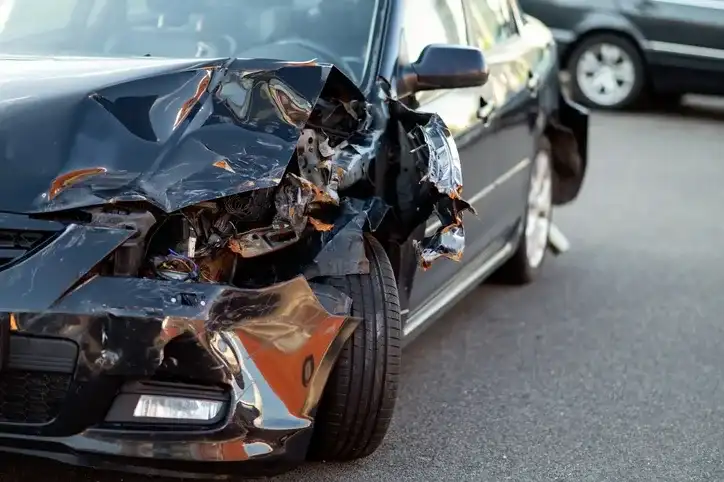
A Denver car wreck lawyer can help you recover fair compensation if you were involved in an accident caused by the negligence of another driver, cyclist, pedestrian, or government entity. The firm handles cases involving distracted drivers, reckless behavior, and traffic violations.
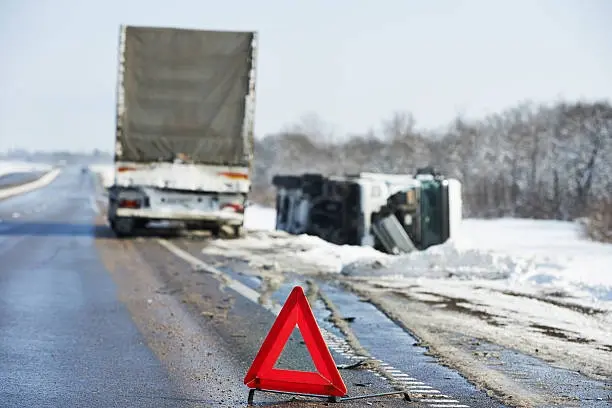
A lawyer represents victims of collisions involving commercial vehicles. The firm pursues compensation when truck driver negligence, improper maintenance, or company policy violations cause severe injuries.
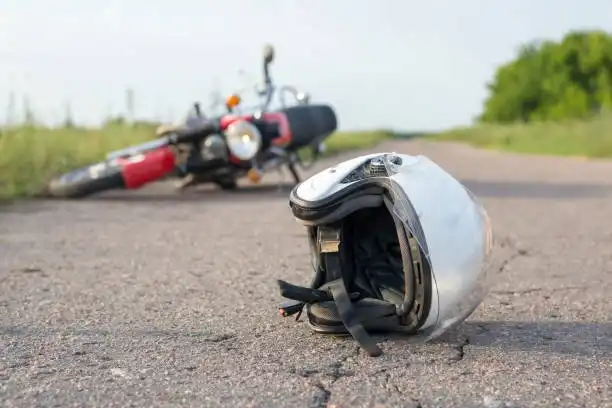
A lawyer helps injured riders when other drivers fail to see motorcyclists or violate their right of way. The firm seeks compensation for medical bills, lost wages, and pain and suffering.

A lawyer helps families pursue compensation when a loved one dies due to another party’s negligence. The firm assists surviving family members in recovering damages for funeral expenses, loss of financial support, and emotional suffering.

An Uber and Lyft accident lawyer handles unique insurance issues when rideshare drivers cause car collisions. The firm pursues claims against rideshare companies and their drivers to help injured passengers and other victims recover full compensation.

A lawyer represents injured cyclists when drivers fail to share the road safely. The firm pursues compensation for injuries caused by distracted drivers, unsafe road conditions, or failure to yield.

A lawyer helps victims who suffer serious injuries, scarring, and emotional trauma from animal attacks. The firm holds dog owners accountable under Colorado’s strict liability laws and recovers compensation for medical treatment and disfigurement.
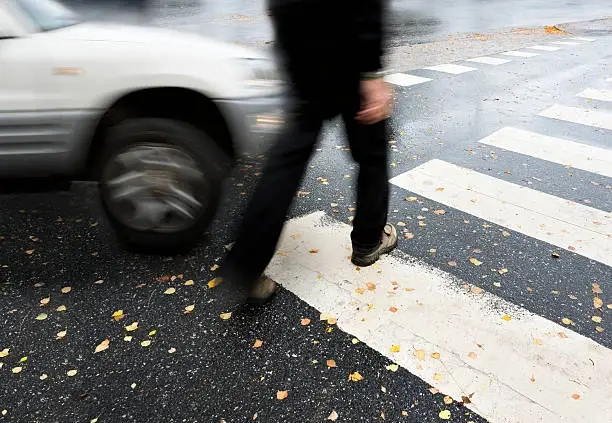
A lawyer represents injured pedestrians when drivers fail to yield at crosswalks or engage in negligent behavior near foot traffic. The firm seeks compensation for injuries caused by careless motorists.

A lawyer helps victims who suffer TBIs from car accidents, falls, or other violent impacts. The firm pursues compensation for long-term medical care, rehabilitation costs, and diminished earning capacity.
A Denver car wreck lawyer can help you recover fair compensation if you were involved in an accident caused by the negligence of another driver, cyclist, pedestrian, or government entity. The firm handles cases involving distracted drivers, reckless behavior, and traffic violations.
A lawyer represents victims of collisions involving commercial vehicles. The firm pursues compensation when truck driver negligence, improper maintenance, or company policy violations cause severe injuries.
A lawyer helps injured riders when other drivers fail to see motorcyclists or violate their right of way. The firm seeks compensation for medical bills, lost wages, and pain and suffering.
A lawyer helps families pursue compensation when a loved one dies due to another party’s negligence. The firm assists surviving family members in recovering damages for funeral expenses, loss of financial support, and emotional suffering.
An Uber and Lyft accident lawyer handles unique insurance issues when rideshare drivers cause car collisions. The firm pursues claims against rideshare companies and their drivers to help injured passengers and other victims recover full compensation.
A lawyer represents injured cyclists when drivers fail to share the road safely. The firm pursues compensation for injuries caused by distracted drivers, unsafe road conditions, or failure to yield.
A lawyer helps victims who suffer serious injuries, scarring, and emotional trauma from animal attacks. The firm holds dog owners accountable under Colorado’s strict liability laws and recovers compensation for medical treatment and disfigurement.
A lawyer represents injured pedestrians when drivers fail to yield at crosswalks or engage in negligent behavior near foot traffic. The firm seeks compensation for injuries caused by careless motorists.
A lawyer helps victims who suffer TBIs from car accidents, falls, or other violent impacts. The firm pursues compensation for long-term medical care, rehabilitation costs, and diminished earning capacity.
 Jeremy Rosenthal brings a trial-focused approach to representing injury victims throughout Denver County, handling cases that arise from motor vehicle collisions, premises liability incidents, and workplace accidents across the metro area. Rosenthal Injury Law works to hold negligent parties accountable when their actions result in physical harm, lost wages, and disrupted lives for residents of Denver and surrounding communities. Injury victims face immediate medical decisions, insurance company communications, and financial pressures that begin within hours of an accident occurring.
Attorney Jeremy Rosenthal has spent years developing his litigation skills and understanding of how insurance adjusters evaluate claims, how medical evidence supports injury allegations, and how Denver County courts handle car accident matters. Rosenthal approaches each case by gathering crash scene photographs, obtaining medical records, consulting with treating physicians, interviewing witnesses, and working with accident reconstruction professionals when liability disputes arise. The firm coordinates with hospitals and specialists to document the full scope of injuries, negotiates with insurance carriers to pursue fair settlements, and prepares cases for trial if insurers refuse to offer adequate compensation for medical treatment, rehabilitation costs, and income losses.
Rosenthal Injury Law protects personal injury clients from insurance company tactics designed to minimize payouts and shift blame, fighting tirelessly to help each client recover the fair compensation they deserve.
The attorneys practice regularly in Denver County courts, maintaining working relationships with local judges, court staff, and opposing counsel that streamline case processing and auto accident settlement negotiations. This familiarity allows Rosenthal Injury Law to anticipate procedural requirements, avoid filing delays, and position cases strategically based on specific judge preferences and local docket management practices. Jeremy Rosenthal earned his J.D. From University of Denver Sturm College of Law, giving him deep connections within Colorado’s legal community.
Clients communicate directly with Jeremy Rosenthal throughout the legal process rather than being redirected to paralegals or support staff for case updates and strategic decisions. This personal service model means injury victims receive immediate answers to questions about settlement offers, medical treatment coordination, and trial preparation timelines.
Rosenthal Injury Law acts immediately to secure crash scene photographs, surveillance footage, electronic data recorder information, and witness contact details before evidence disappears or memories fade. The attorneys send spoliation letters to trucking companies, rideshare platforms, and commercial property owners within days of incidents, legally requiring them to preserve driver logs, maintenance records, and security camera footage. This rapid response protects clients from defense claims that key evidence was unavailable or that accident reconstruction cannot establish fault.
The attorneys maintain active trial practices rather than operating as settlement-only firms, giving them credibility with insurance adjusters who recognize Rosenthal Injury Law’s willingness to pursue jury verdicts when fair offers are not presented. This courtroom background translates to stronger negotiating positions during settlement discussions, as defense counsel understand the firm belongs to both the Million Dollar Advocates Forum and Top 100 National Trial Lawyers organizations. Insurance companies adjust their reserve amounts upward when Jeremy Rosenthal files litigation rather than accepting initial lowball offers.
The firm works with physicians, surgeons, radiologists, and rehabilitation specialists to document injury progression, coordinate treatment schedules, and obtain detailed medical narratives that explain causation between accidents and diagnosed conditions.
What types of cases do car accident attorneys in Denver handle? Traffic accident lawyer services focus on securing compensation for injuries, property damage, and economic losses resulting from collisions caused by negligent drivers. Attorneys handle insurance negotiations, gather evidence such as police reports and medical records, and calculate damages including hospital bills, lost wages, vehicle repairs, and pain and suffering. Colorado operates under modified comparative negligence rules, meaning you can recover compensation if you bear less than 50 percent fault for the collision, though your award reduces proportionally to your responsibility percentage.
Lawyers identify all liable parties, which may include distracted drivers, intoxicated motorists, delivery companies, vehicle manufacturers, or government entities responsible for road maintenance. Most attorneys work on contingency fee arrangements, collecting payment only when they secure a settlement or court verdict, typically ranging from 33 to 40 percent of the final recovery amount depending on case complexity and litigation requirements.
Denver sees approximately 12,000 traffic crashes annually according to Denver Police Department data, creating substantial demand for legal representation when injuries produce medical expenses exceeding insurance policy limits or when fault disputes complicate claims. Attorneys file claims within Colorado’s three-year statute of limitations for personal injury cases and two-year deadline for wrongful death actions, preserving your right to pursue compensation through civil court proceedings if settlement negotiations stall.
Tort law provides the legal framework that allows injured parties to seek compensation from negligent drivers who cause auto accidents. Colorado operates under a modified comparative negligence system where victims can recover damages if they bear less than 50 percent of the fault for the collision, though their recovery reduces proportionally to their assigned percentage of responsibility. Tort principles establish that drivers owe a duty of care to others on the road, and breaching this duty through actions like speeding, distracted driving, or running red lights creates liability when injuries result. Plaintiffs can pursue both economic damages (medical expenses, lost wages, property damage) and non-economic damages (pain and suffering, emotional distress) through tort claims filed against at-fault drivers and their insurance carriers.
Colorado caps non-economic damages at $729,790 for injuries occurring between January 1, 2024 and December 31, 2025, increasable to $1,459,600 upon clear and convincing evidence of unfairness. For cases filed on or after January 1, 2025, the cap is $1.5 million regardless of when the injury occurred under C.R.S. § 13-21-102.5.
What Legal Protections Exist Under Motor Vehicle Accident Law?
Legal protections under motor vehicle accident law establish your right to recover damages when another driver’s negligence causes your injuries. Colorado operates under a fault-based insurance system, requiring the at-fault driver’s insurance to compensate victims for medical expenses, lost wages, property damage, and pain and suffering according to Colorado Revised Statutes § 10-4-706. Denver’s modified comparative negligence rule (Colorado Revised Statutes § 13-21-111) allows you to pursue compensation if you bear less than 50 percent fault for the collision, though your recovery decreases proportionally to your percentage of responsibility. Colorado law mandates minimum liability coverage of $25,000 per person and $50,000 per accident for bodily injury, plus $15,000 for property damage, ensuring basic financial protection exists when crashes occur. Uninsured motorist coverage protects you when at-fault drivers lack adequate insurance or flee the accident scene, a common scenario since approximately 13.3 percent of Colorado drivers operate without insurance according to Insurance Research Council data from 2019. Your legal protections extend beyond immediate medical bills to cover future treatment needs, permanent disability impacts, and diminished earning capacity when injuries prevent you from working at pre-accident levels.
How Is Negligence Determined in a Car Accident Case?
Negligence determination in car accident cases requires proving four distinct elements: duty of care, breach of that duty, causation, and damages resulting from the breach. Colorado law establishes that all drivers owe other road users a duty to operate vehicles safely, follow traffic laws, and avoid creating foreseeable risks. Breach occurs when drivers violate traffic statutes, drive distracted, exceed speed limits, or fail to yield right-of-way as required under Colorado Revised Statutes Title 42. Attorneys establish causation by demonstrating the direct connection between the breach and collision using accident reconstruction, witness testimony, and police reports documenting scene conditions. A rear-end collision at a red light demonstrates clear breach when the striking driver admits to texting, while a left-turn accident requires detailed analysis of yellow light timing, intersection sight lines, and comparative speeds to determine which driver violated right-of-way rules under C.R.S. 42-4-703.
What Steps Does a Car Accident Attorney Take to Assess Liability?
A car accident attorney assesses liability by reviewing police reports, accident evidence, witness statements, and physical documentation including photos and vehicle damage. They examine medical records, consult accident reconstruction experts when needed, and analyze Colorado traffic laws. The attorney investigates insurance coverage and determines comparative fault percentages under Colorado’s modified comparative negligence rule to establish which parties bear legal responsibility.
Car accident attorneys typically charge on a contingency fee basis, meaning clients pay no upfront costs and attorneys receive payment only when they recover compensation through settlement or trial verdict. The standard contingency fee ranges from 33.33% to 40% of the total recovery amount depending on case complexity, with most attorneys charging one-third (33.33%) if the case settles before trial and 40% if litigation proceeds to courtroom proceedings. This fee structure allows injured parties to access quality legal representation without depleting savings or taking financial risks, since attorneys absorb all case expenses including expert witness fees, court filing costs, medical record retrieval charges, and investigation expenses until recovery occurs. Attorneys deduct the contingency percentage from the gross settlement or verdict amount, then reimburse themselves for advanced case costs before distributing the remaining funds to clients. Some lawyers offer sliding scale arrangements where the percentage increases as the case progresses through litigation stages, while others maintain flat rates regardless of resolution timing.
What Is a Contingency Fee Agreement, and How Does It Work in Car Accident Cases?
Contingency fee agreements allow clients to hire attorneys without paying upfront legal costs, with payment contingent on winning the case or securing a settlement. Attorneys receive a percentage of the final recovery, typically ranging from 33% to 40% depending on case complexity and whether the claim settles before trial or proceeds to litigation. Car accident victims benefit from this arrangement because they access legal representation regardless of financial resources, with lawyers absorbing costs for expert witnesses, medical record retrieval, court filings, and investigation expenses throughout the case. The attorney collects payment only when compensation gets awarded, meaning you owe nothing if the case produces no recovery. This structure aligns attorney motivation with client outcomes because lawyers earn more when they secure higher settlements or verdicts, incentivizing thorough case preparation and aggressive negotiation. Most contingency agreements specify that the percentage applies after deducting case expenses, though some firms calculate fees on the gross recovery amount before expenses come out, so clarifying this calculation method during initial consultation prevents confusion later when settlement checks arrive.
Attorneys review medical records systematically to establish injury causation, treatment necessity, and damage calculations that support settlement demands or trial arguments. Medical records provide objective evidence connecting collision impact to specific injuries, documenting immediate symptoms, diagnostic findings, treatment protocols, and recovery progress throughout the healing process. Attorneys obtain records from emergency rooms, treating physicians, physical therapists, imaging facilities, and pharmacies to create a complete medical timeline starting from the crash scene through current treatment status. Records reveal injury severity through diagnostic codes, physician observations, and treatment duration that insurers cannot easily dispute when preparing case valuations. Colorado law allows attorneys to access these documents through signed medical authorization forms that release records directly from healthcare providers to legal representatives building the claim file.
What Compensation Can Victims Claim for Pain and Suffering?
Pain and suffering compensation addresses non-economic damages that extend beyond quantifiable medical expenses and lost wages in personal injury cases. Colorado law permits victims to recover damages for physical pain, emotional distress, mental anguish, loss of enjoyment of life, and permanent disfigurement resulting from another party’s negligence. Juries calculate these damages by considering injury severity, treatment duration, impact on daily activities, and long-term prognosis, with multipliers typically ranging from 1.5 to 5 times economic damages depending on case circumstances. Severe injuries like traumatic brain damage, spinal cord trauma, or permanent disability command higher pain and suffering awards because they fundamentally alter a victim’s quality of life, relationships, and future capabilities. Attorneys strengthen pain and suffering claims by presenting medical testimony documenting ongoing physical limitations, psychological evaluations demonstrating emotional trauma, and personal journals tracking daily pain levels throughout recovery if these records create comprehensive evidence of non-economic losses.
What Documents Does a Car Accident Attorney Need from a Client?
Attorneys require comprehensive documentation to build strong car accident claims, starting with police reports, insurance policies, medical records, and photographic evidence from the collision scene. Police reports provide official accounts of crash circumstances, including officer observations, witness statements, and preliminary fault determinations that establish the foundation for liability arguments. Insurance policies (both yours and the at-fault driver’s) reveal coverage limits, policy exclusions, and claim procedures that shape negotiation strategies and settlement expectations. Medical records document injury severity, treatment timelines, and prognoses that connect your physical harm directly to the collision, while bills quantify economic damages for compensation calculations. Photographic evidence captures vehicle damage, road conditions, traffic signals, and visible injuries immediately after the crash, preserving details that fade from memory or disappear during repairs. Additional helpful documents include pay stubs or tax returns proving lost wages, vehicle repair estimates showing property damage costs, and written witness accounts corroborating your version of events if other drivers contest fault.
Expert witness testimony strengthens auto accident lawsuits by providing specialized knowledge that helps courts understand technical aspects of collision mechanics, injury causation, and economic damages beyond typical juror comprehension. Accident reconstruction experts analyze skid marks, vehicle damage patterns, and road conditions to determine precise collision dynamics when liability remains disputed between parties. Medical professionals testify about injury severity, long-term prognosis, and necessary future treatments when insurance companies challenge the connection between reported injuries and the accident itself. Economic experts calculate lost earning capacity, lifetime medical costs, and diminished quality of life using actuarial data and vocational assessments. Colorado courts require qualified experts to satisfy Daubert standards proving their methods follow established scientific principles and their testimony directly assists triers of fact in understanding complex evidence.
Police reports provide documented evidence that attorneys use to establish fault, verify injuries, and support damage claims when negotiations or litigation become necessary. Denver police officers complete standardized accident reports containing officer observations, driver statements, witness accounts, traffic violation citations, and preliminary fault determinations that create official records of collision circumstances. Attorneys obtain these reports through the Denver Police Department Records Division within days after collisions occur, using report numbers or case identifiers to access complete documentation. The reports establish critical timeline details showing vehicle positions, road conditions, weather factors, and traffic control device status at collision moments, which attorneys use to reconstruct accident sequences and identify liability. Attorneys reference specific report sections during insurance negotiations to counter adjuster disputes about fault percentages or injury causation, strengthening settlement demands with official documentation rather than competing narrative claims.
Traffic violation codes relevant to car accidents in Denver include Colorado Revised Statutes provisions addressing driver behavior that causes collisions or injuries. Section 42-4-1401 addresses careless driving, covering inattentive behavior that causes crashes but falls short of reckless conduct, with penalties including fines and points on driving records. Section 42-4-1402 defines reckless driving as operating a vehicle with willful disregard for safety, carrying more severe criminal consequences including potential jail time when collisions result in injuries. Failure to yield right-of-way under Section 42-4-703 applies to intersection crashes where drivers ignore traffic control devices or fail to yield to pedestrians in crosswalks. Section 42-4-1007 addresses following too closely (tailgating), a common factor in rear-end collisions on Interstate 25 and Interstate 70 during rush hour traffic. Distracted driving violations under Section 42-4-239 prohibit handheld mobile device use while operating a vehicle, with enhanced penalties when violations cause accidents resulting in bodily injury. Denver Municipal Code Section 54-242 adds local penalties for aggressive driving behaviors within city limits, complementing state statutes with additional enforcement mechanisms for urban traffic violations that contribute to collision frequency in high-density areas.
The statute of limitations for filing car accident lawsuits requires injured parties to initiate legal action within three years from the collision date according to Colorado Revised Statutes Section 13-80-101. This three-year deadline applies to personal injury claims seeking compensation for medical expenses, lost wages, pain and suffering, and property damage caused by another driver’s negligence. The clock starts ticking on the accident date, making prompt action critical if you suffered injuries in a collision at intersections like Colfax Avenue and Colorado Boulevard or during rush hour traffic on Interstate 25. Missing this deadline eliminates your right to pursue compensation through the court system regardless of injury severity or liability clarity, forcing you to absorb financial losses without legal recourse. Certain circumstances modify this standard timeframe, including cases involving government entities (requiring notice within 182 days under the Colorado Governmental Immunity Act), accidents causing wrongful death (extending the filing period to two years from the death date rather than the accident date), and injuries to minors (tolling the statute until the injured person reaches age 18). Your legal team should evaluate these deadlines immediately following your collision to preserve all available claims and prevent procedural barriers from blocking your compensation recovery.
Attorneys calculate damages in auto accident cases by totaling economic losses such as medical expenses and lost wages, then adding non-economic damages reflecting pain and suffering based on injury severity and life impact. Economic damages include all past and future medical bills, rehabilitation costs, lost income during recovery, reduced earning capacity if disabilities persist, and property damage to your vehicle according to repair estimates or fair market value. Non-economic damages compensate for physical pain, emotional distress, loss of enjoyment in daily activities, permanent scarring or disfigurement, and reduced quality of life, which attorneys quantify using multiplier methods that apply factors between 1.5 and 5 to total economic damages depending on injury severity. Colorado follows a modified comparative negligence rule under C.R.S. § 13-21-111, reducing your total damages by your percentage of fault if you bear less than 50 percent responsibility for the collision. Attorneys gather medical records, employment documentation, expert testimony on future care needs, and life care plans to substantiate each damage category, ensuring insurers cannot dispute the full extent of your losses during settlement negotiations or trial.
The comparative fault doctrine reduces your compensation proportionally if you share responsibility for causing the accident that resulted in your injuries. Colorado applies a modified comparative negligence standard under C.R.S. § 13-21-111, which allows injured parties to recover damages as long as their fault remains below 50 percent, with recovery reduced by their percentage of responsibility. A pedestrian who crosses against a traffic signal and gets struck by a speeding driver might be assigned 30 percent fault, reducing a $100,000 award to $70,000, while the speeding driver carries the remaining 70 percent responsibility. Insurance companies aggressively investigate accident scenes to attribute higher fault percentages to claimants, using traffic camera footage, witness statements, and accident reconstruction reports to shift liability. Attorneys counter these tactics by gathering evidence demonstrating the defendant’s primary responsibility, including speeding data, distraction proof, traffic violations, and maintenance records that establish causation.
Court procedures for car accident lawsuits follow a structured timeline beginning with filing a complaint in Denver County District Court, which initiates the formal legal process and requires service of process to all defendants within 120 days according to Colorado Rules of Civil Procedure. The defendant responds within 21 days by filing an answer that admits or denies each allegation, potentially including counterclaims or motions to dismiss based on procedural deficiencies or insufficient evidence. Discovery follows, during which both parties exchange evidence through interrogatories (written questions requiring sworn answers), requests for production of documents (medical records, insurance policies, repair estimates), depositions of witnesses and parties under oath, and independent medical examinations if injury severity remains disputed. Attorneys file pretrial motions to exclude evidence, compel discovery responses, or seek summary judgment when no genuine dispute of material fact exists, which Judge determines by reviewing written briefs and oral arguments. The court schedules a settlement conference where a magistrate facilitates negotiations between parties, often resulting in resolution before trial begins, though cases proceed to jury selection if settlement discussions fail to produce agreement on compensation amounts. Trial consists of jury selection (voir dire), opening statements, plaintiff’s case presentation with witness testimony and exhibits, defendant’s case presentation with rebuttal evidence, closing arguments, jury instructions on applicable Colorado negligence law, deliberations, and verdict announcement determining liability and damages owed to the injured party.


Evaluating car accident attorneys in Denver requires examining specific credentials, case results, and client service approaches to identify qualified legal representation.
Check the Colorado Supreme Court Attorney Regulation website to confirm active licensure, review any disciplinary actions, and verify years of practice specifically handling motor vehicle collision cases.
Request information about past verdicts and settlements in cases similar to yours, focusing on outcomes involving comparable injuries, insurance disputes, and accident circumstances rather than general success claims.
Determine how many cases the attorney has taken to trial in Denver County courts, as insurance companies settle more favorably when they know your lawyer will litigate aggressively if negotiations fail.
Schedule initial consultations with multiple attorneys to assess response times, willingness to answer questions, and clarity in explaining legal processes without excessive jargon.
Compare contingency fee percentages (typically 33-40% in Colorado), case expense handling, and whether fees increase if the case proceeds to trial rather than settling during negotiations.
Read testimonials on Google, Avvo, and the Better Business Bureau to identify patterns in client satisfaction, communication issues, or concerns about case handling and settlement pressure.
Ask about access to accident reconstruction professionals, medical specialists, and economic damage calculators, as complex injury cases require substantial investigative resources beyond basic legal representation.
Victims can expect comprehensive legal representation addressing every phase of their collision case from initial consultation through settlement or trial verdict. Denver car crash attorneys handle all communication with insurance companies, preventing adjusters from pressuring victims into inadequate settlements while medical treatment continues. Your legal team investigates the crash scene, obtains police reports, interviews witnesses, and consults accident reconstruction specialists when liability disputes arise. Lawyers compile detailed damage documentation including medical records, wage loss statements, property repair estimates, and expert testimony regarding future care needs if disabilities persist. Attorneys negotiate aggressively with insurers, filing lawsuits when companies refuse fair offers and preparing cases for trial through discovery, depositions, and motion practice.
A car accident occurs when a motor vehicle collides with another vehicle, pedestrian, animal, road debris, or stationary object such as a tree, utility pole, or guardrail. Car accidents range from minor fender benders causing only property damage to catastrophic collisions resulting in severe injuries, permanent disabilities, or death. Denver streets witness approximately 8,247 car crashes annually according to Colorado Department of Transportation data, with factors including distracted driving, speeding, impaired operation, and adverse weather conditions contributing to collision frequency and severity.
What Kind Of Attorneys Handle Car Accidents?
A car accident lawyer investigates collision circumstances, identifies liable parties, and pursues compensation for injured Denver clients through insurance negotiations or litigation. These attorneys handle cases involving driver negligence, defective vehicle components, dangerous road conditions, and insurance company disputes when coverage denials or inadequate settlement offers prevent fair recovery. Car accident lawyers work with accident reconstructionists, medical professionals, and financial analysts to document the full extent of physical injuries, property damage, lost income, and diminished quality of life resulting from crashes.
Coverage For Car Accidents:
Uber and Lyft accidents occur when rideshare drivers’ negligence, distracted driving, vehicle defects, or actions by other motorists cause crashes injuring passengers, other drivers, pedestrians, or cyclists during trips arranged through transportation network company platforms. Rideshare accidents result from various circumstances including drivers distracted by navigation apps or accepting new ride requests, fatigued drivers working excessive hours across multiple platforms, inadequate vehicle maintenance causing mechanical failures, aggressive driving to maximize earnings by completing more trips, impaired driving despite background check requirements, or collisions with other negligent motorists while rideshare vehicles transport passengers or travel to pickup locations. The National Safety Council reported motor vehicle crashes caused 46,027 deaths in 2022, with rideshare accidents comprising a growing percentage as Uber and Lyft trips reached approximately 4 billion combined annual rides nationwide.
What Kind Of Attorneys Handle Uber & Lyft Accident Cases?
An Uber and Lyft accident lawyer represents injured passengers, drivers, pedestrians, and other motorists seeking compensation when rideshare-related negligence causes serious injuries including whiplash, traumatic brain injuries, spinal cord damage, broken bones, or permanent disabilities affecting their ability to work and maintain their quality of life. Rideshare accident attorneys investigate complex insurance coverage questions involving multiple policies, determine whether drivers were logged into apps and transporting passengers at accident times, analyze Uber and Lyft’s $1 million commercial policies versus drivers’ personal insurance, review driver background checks and vehicle inspection records, and pursue claims against responsible parties within Colorado’s three-year statute of limitations for motor vehicle accidents. These lawyers work to recover compensation addressing emergency medical treatment, surgical procedures, rehabilitation therapy, lost income during recovery, property damage to vehicles, and damages for pain, suffering, and long-term impairments resulting from collisions.
Coverage For Uber & Lyft Accident Cases:
The settlement amounts below reflect potential settlement ranges from successful personal injury cases and negotiations. No fixed formula calculates individual awards since each personal injury case involves distinct circumstances and variables.
Denver attorneys can help you recover fair compensation for your car accident claim. Contact us today to schedule your free consultation.
Income disruption creates measurable financial harm when vehicle crashes prevent workers from performing their job duties or force them to miss scheduled shifts. Lost wages lawyers calculate claim values by examining pay stubs, tax returns, employment contracts, and commission statements that document earnings before the collision occurred. Self-employed professionals, hourly workers, and salaried employees all qualify for wage recovery under Colorado law if medical treatment or physical limitations prevent them from maintaining their normal work schedule. Documentation from employers and healthcare providers establishes the connection between crash-related injuries and missed income opportunities.
Physical discomfort and emotional distress following vehicle collisions qualify for compensation beyond measurable economic losses under Colorado personal injury statutes. Attorneys value pain and suffering damages by reviewing medical records, treatment duration, injury severity, and testimony describing how crash-related trauma affects daily activities, sleep patterns, relationships, and quality of life. Juries consider photographs, medical expert opinions, and victim testimony when determining appropriate awards for non-economic damages that accidents create. Courts recognize chronic pain, mobility limitations, psychological trauma, and permanent impairment as compensable harms requiring financial recovery.
Emergency room visits, surgeries, and ongoing treatments create substantial damages following vehicle collisions when victims require immediate medical intervention. Hospital bills accumulate rapidly after crashes, including ambulance transport, diagnostic imaging, surgical procedures, physical therapy sessions, prescription medications, and rehabilitation services that injured parties need to achieve complete recovery. Colorado law allows recovery of all past, present, and future personal injury medical bills directly caused by the accident when medical bill lawyers properly document treatment through medical records and expert testimony. Experienced attorneys negotiate with medical providers and insurance companies to ensure victims receive full reimbursement for crash-related healthcare costs.
Vehicle repair costs, replacement value, and diminished resale value create tangible economic losses when crashes damage or destroy personal property in Colorado. Property damage attorneys establish property damage settlement amounts by obtaining repair estimates from certified mechanics, fair market valuations from dealers, and replacement costs for totaled vehicles that cannot be restored to pre-collision condition. Victims recover compensation for damaged personal belongings inside vehicles, including electronics, clothing, tools, and equipment that sustained impact damage during the crash. Insurance adjusters and attorneys negotiate values based on actual cash value, replacement cost, or repair expenses documented through itemized estimates and receipts.
Colorado courts award additional monetary sanctions against defendants when vehicle crashes result from willful and wanton conduct, gross negligence, or intentional disregard for public safety standards. Judges authorize punitive damages recovery to punish wrongdoers and deter similar future behavior when standard compensatory awards prove insufficient to address the severity of defendant misconduct. Evidence of drunk driving, excessive speeding, distracted driving, or deliberate traffic violations supports punitive damage requests in personal injury cases. State statutes limit punitive awards to specific multiples of compensatory damages, requiring punitive damages attorneys to present clear and convincing proof of defendant culpability before juries can impose these enhanced penalties.
Long term disability compensation addresses permanent impairments that prevent returning to previous employment or performing essential job functions after vehicle collisions cause lasting physical or cognitive damage. Colorado law recognizes disability damages when medical evidence demonstrates an inability to maintain gainful employment at pre-injury capacity levels. Disability lawyers calculate these losses by analyzing vocational assessments, earning history, life expectancy tables, and expert testimony regarding future employability. Permanent disabilities require comprehensive documentation through independent medical examinations, functional capacity evaluations, and economic loss analyses that establish diminished earning potential over remaining work years.
Spouses suffer significant relationship losses when vehicle accidents cause injuries that damage marital intimacy, companionship, and household partnership dynamics in families. Loss of consortium damages provide compensation for the non-injured spouse whose quality of life deteriorates because the injured partner cannot fulfill previous roles, participate in shared activities, or maintain emotional connections at pre-accident levels. Colorado courts recognize these claims as derivative actions attached to the injured party’s personal injury lawsuit, requiring testimony about relationship changes and lost benefits of marriage. Documentation includes statements from family members, marriage counselors, and medical providers who observe altered marital dynamics following traumatic injuries.
Wrongful death cases include recovery of all reasonable funeral, burial, and memorial service costs when vehicle collisions result in fatalities rather than recoverable injuries in Colorado jurisdictions. Estate representatives pursue medical bills and end-of-life expenses through wrongful death claims that compensate families for financial burdens created by premature death, including cremation fees, cemetery plots, caskets, memorial services, and related costs. Colorado wrongful death statutes establish specific beneficiary hierarchies and damage categories that attorneys analyze when calculating full economic losses suffered by surviving family members. These claims require death certificates, itemized funeral invoices, and evidence linking the collision directly to the decedent’s death through medical examiner reports and autopsy findings.
Injuries prevent performing routine household tasks that create economic value through domestic labor, including childcare, meal preparation, home maintenance, yard work, and family transportation services that victims previously completed without compensation. Loss of household services damages recover the replacement cost of hiring third parties to perform these essential functions when accident injuries eliminate the victim’s physical capacity to maintain household operations. Colorado law recognizes this economic loss category by calculating hourly rates for domestic services multiplied by hours typically devoted to household management before the collision occurred. Attorneys document these losses through testimony from family members, photographs of property conditions, and expert opinions regarding reasonable service replacement costs in the Denver metropolitan area.
Permanent injuries require ongoing medical treatment, prescription medications, assistive devices, and surgical interventions that extend years beyond initial accident recovery in Colorado personal injury cases. Attorneys retain medical experts who review treatment records, diagnostic images, and prognosis reports to calculate projected costs for future surgeries, physical therapy sessions, pain management procedures, and necessary medical equipment over the victim’s remaining life expectancy. Colorado courts require reasonable certainty regarding future medical necessity through testimony from treating physicians who establish treatment plans based on current medical conditions and anticipated deterioration. These projections account for inflation rates, technological advances in treatment options, and geographic variations in Denver healthcare costs when determining present value amounts for future care needs.
Loss of enjoyment of life damages compensate victims who can no longer participate in activities they previously enjoyed, from hiking Colorado trails to playing with grandchildren. Vehicle crashes frequently cause injuries, preventing hobbies, sports, social gatherings, and recreational pursuits that defined the victim’s quality of life before the collision. Colorado courts recognize these non-economic damages as compensable losses when medical evidence and personal testimony document the specific activities no longer possible because of collision-related injuries. Attorneys establish these claims through witness statements, activity logs, photographs showing pre-injury participation, and expert testimony quantifying the permanent lifestyle restrictions.
Personal injury rehabilitation expenses include physical therapy, occupational therapy, vocational rehabilitation, and long-term care services necessary to restore function after serious injuries from vehicle collisions. Colorado law permits recovery of all reasonable rehabilitation expenses when medical providers document the treatment as necessary for maximum medical improvement. Therapists create customized plans addressing mobility limitations, cognitive impairments, and functional deficits preventing victims from returning to pre-accident capabilities. Attorneys work with rehabilitation specialists to project future treatment needs and document the total cost of care over the victim’s lifetime.
Emotional distress damages compensate for psychological injuries including anxiety, depression, post-traumatic stress disorder (PTSD), and sleep disturbances resulting from vehicle crashes in Denver and throughout Colorado. Mental health professionals diagnose these conditions through clinical evaluations, psychological testing, and ongoing treatment documentation showing how the collision trauma affects daily functioning, relationships, and employment. Colorado recognizes emotional distress as compensable when medical evidence establishes the psychological harm stems directly from the accident rather than pre-existing conditions. Attorneys present testimony from treating psychiatrists and psychologists demonstrating the severity and permanence of mental health injuries caused by the collision.
Out-of-pocket expenses include prescription medications, medical equipment, home modifications, transportation to medical appointments, and household services victims paid directly because of injuries sustained in vehicle collisions. Colorado law allows recovery of all reasonable expenses documented through receipts, credit card statements, and vendor invoices showing costs incurred for accident-related needs. Common recoverable items include wheelchairs, crutches, bathroom safety equipment, childcare services, lawn maintenance, and mileage reimbursement for medical travel throughout the Denver metropolitan area. Attorneys compile comprehensive expense records and negotiate reimbursement for every dollar spent on crash-related necessities during recovery.
Permanent scarring and disfigurement from vehicle crashes create lasting physical changes affecting appearance, self-esteem, and social interactions throughout Colorado communities including Denver. Facial scars, burn injuries, amputation sites, and surgical incisions visible to others qualify for substantial compensation when medical photographs and dermatologist evaluations document the severity and permanence of the disfigurement. Colorado juries consider scar location, size, visibility, victim age, gender, occupation, and available treatment options when determining fair compensation for these non-economic damages. Attorneys present before-and-after photographs, plastic surgeon testimony regarding revision possibilities, and victim impact statements describing how the scarring affects daily life and employment prospects.
Denver experiences approximately 28,400 car accidents annually according to Colorado Department of Transportation (CDOT) data, making the Mile High City one of the state’s most collision-prone metropolitan areas. The frequency of Denver car crashes stems from convergence of multiple risk factors including sustained population growth (751,000 residents as of 2023 Census Bureau estimates), heavy commuter and freight traffic along I-25 and I-70, and altitude-related weather patterns that create hazardous road conditions during winter months when snow, ice, and reduced visibility contribute to multi-vehicle pileups.
Denver car accident rates translate to roughly 78 crashes per day based on CDOT’s annual reporting, with the city accounting for 31 percent of all vehicle collisions in the Denver metro area according to Regional Transportation District (RTD) safety analysis. Fatal car crashes claimed 74 lives in Denver during 2022 according to National Highway Traffic Safety Administration (NHTSA) data, while serious injury collisions (those requiring hospitalization) numbered 1,847 for the same period based on Denver Health Medical Center trauma registry records. Year-over-year trends show a 12 percent increase in car accident injuries between 2019 and 2022 according to CDOT statistics, driven largely by distracted driving (23 percent of all crashes) and alcohol impairment (19 percent of crashes) based on Denver Police Department collision reports.
Downtown Denver leads all neighborhoods with approximately 4,200 car accidents annually according to Denver Police traffic data, caused primarily by high traffic volume, tourist unfamiliarity with one-way streets, and congested intersection patterns near Coors Field and the Colorado Convention Center. Capitol Hill experiences roughly 2,800 vehicle crashes per year based on CDOT neighborhood analysis, with accidents concentrated along Colfax Avenue (U.S. Route 40) where six-lane traffic, frequent bus stops, and aging infrastructure create multiple conflict points. Cherry Creek records approximately 1,900 car collisions annually according to Denver Fire Department response logs, split between residential streets where speeding occurs and commercial corridors near Cherry Creek Shopping Center where distracted driving peaks during holiday seasons. LoDo sees around 2,300 car accidents per year based on Denver Police precinct data, with evening and weekend collisions spiking when impaired drivers leave bars and restaurants in the historic district. Highland experiences roughly 1,600 vehicle crashes annually according to CDOT reports, primarily along Federal Boulevard and Speer Boulevard where industrial truck traffic mixes with residential commuter patterns.
Car accidents occur approximately 62 times daily in Denver based on Colorado Department of Transportation data showing 22,651 total crashes in Denver County during 2022. The Denver metro area experiences higher collision rates than rural Colorado counties because urban traffic density, complex interstate interchanges, and pedestrian activity create multiple collision opportunities throughout each day. Denver’s accident frequency varies seasonally, with winter months producing increased crashes when snow and ice affect roadway traction, while summer months see elevated collision rates from tourism traffic and construction zone congestion. Your legal team can evaluate your specific accident circumstances if you sustained injuries in a Denver collision, determining whether another driver’s negligence caused your harm and calculating the compensation you deserve for medical expenses, lost wages, and pain resulting from the crash.
Auto accident attorneys in Denver provide risk assessment strategies and preventive legal guidance that reduces your vulnerability to repeat collisions and insurance complications after recovering from your initial injury. Your legal team reviews the circumstances that caused your crash, identifies hazardous driving patterns or vehicle maintenance issues that contributed to the collision, and recommends specific behavioral modifications to prevent similar incidents. Lawyers explain how admitting fault during recorded insurance statements creates permanent liability records that insurers use against you in future claims, even when you bear no responsibility for subsequent accidents. Attorneys document settlement agreements with release language that protects you from reopened claims if your injuries worsen, preventing insurance companies from alleging you concealed pre-existing conditions in later crashes involving the same body parts.
After a car accident, taking proper steps protects your health, preserves evidence, and strengthens potential injury claims under Colorado law governing motor vehicle collisions and liability.
Contact 911 immediately to report the car accident and request emergency medical assistance for anyone injured. Denver Police Department officers will document the crash scene, gather driver information, interview witnesses, and create an official accident report establishing facts about collision circumstances and fault determination.
Seek medical evaluation within 24 hours even when injuries seem minor, as symptoms of whiplash, concussions, or internal trauma often appear hours or days after accidents. Denver Health Medical Center or emergency facilities provide documentation linking injuries directly to collision events, strengthening compensation claims.
Exchange information at the accident scene including names, phone numbers, addresses, insurance companies, policy numbers, driver’s license numbers, and vehicle registration details with all involved drivers. Photograph license plates, insurance cards, driver’s licenses, and vehicle damage from multiple angles before vehicles leave accident locations.
Document everything by photographing vehicle damage, skid marks, traffic signals, road conditions, and visible injuries immediately after the collision. Obtain contact information from witnesses, write detailed notes describing accident circumstances while memories remain fresh, and preserve all medical bills, repair estimates, and correspondence.
Report the car accident to your insurance company within 24-48 hours to comply with policy requirements, but limit statements to basic facts about date, time, location, and vehicles involved. Avoid admitting fault, speculating about injuries, or accepting quick settlement offers before understanding full injury extent and applicable damages.
Consult a Denver car collision attorney before engaging in settlement discussions with insurance adjusters who aim to minimize payouts through recorded statements and early offers. Legal counsel reviews police reports, medical records, and Colorado statutes to pursue full compensation for medical expenses, lost wages, and pain and suffering.
Understanding whether you need an attorney after a Denver car accident requires evaluating specific claim factors that indicate professional legal representation will improve your recovery outcome.
Hire attorneys when crashes cause fractures, head trauma, spinal injuries, internal organ damage, or permanent disabilities requiring ongoing medical treatment beyond minor cuts and bruises.
Seek legal help if treatment costs exceed $10,000, include multiple hospitalizations, surgical procedures, diagnostic imaging, physical therapy sessions, or specialist consultations creating substantial financial burden.
Retain lawyers when insurance companies deny claims citing disputed fault, contributory negligence allegations, or conflicting witness statements requiring investigation and evidence gathering.
Contact attorneys if the at-fault driver carried minimum liability limits of $25,000 insufficient to cover your damages, had no insurance, or your injuries exceed available policy coverage.
Hire legal representation when injuries prevent work for more than two weeks, cause permanent disability affecting future earning capacity, or result in job loss requiring long-term financial recovery.
Consult lawyers before accepting initial insurance offers that typically undervalue claims by 40 to 60 percent according to National Association of Insurance Commissioners data, particularly when adjusters pressure quick settlements during active medical treatment.
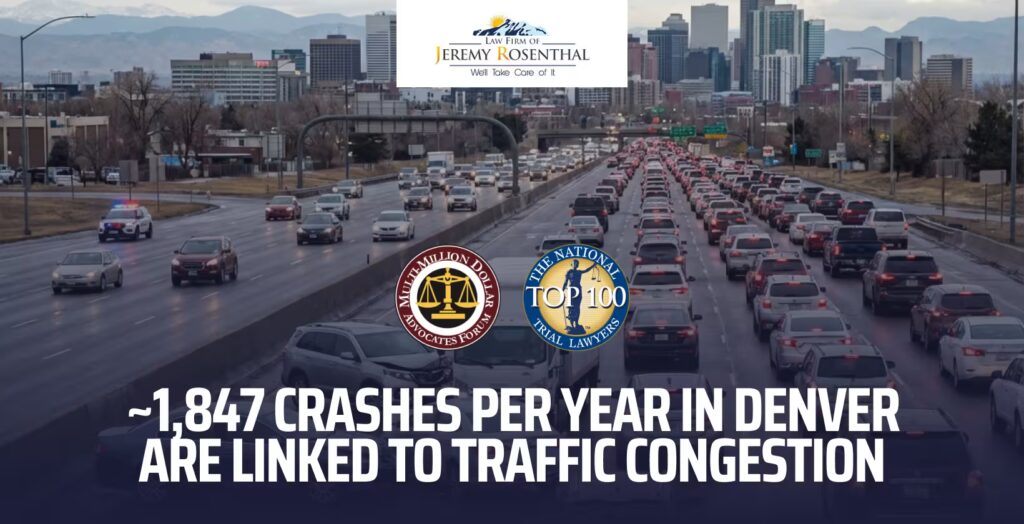
Traffic congestion contributes to vehicle accidents when drivers become impatient, following too closely behind other vehicles while changing lanes abruptly to escape slow-moving traffic. Denver County experiences approximately 1,847 congestion-related crashes annually, according to Colorado Department of Transportation data, with violations of Colorado Revised Statutes § 42-4-1008 (following too closely) establishing clear negligence when rear-end collisions occur during rush hour periods. Drivers who fail to maintain safe distances between vehicles create liability when congestion forces sudden stops, making them financially responsible for injuries and property damage that result from their impatience. Evidence that our Denver lawyers may use to strengthen your car accident case includes traffic camera footage showing vehicle spacing, witness statements from other motorists, police reports documenting road conditions, electronic data recorder information revealing braking patterns, photographs of vehicle damage positions, and time-stamped GPS data confirming congestion levels.
Running red lights causes devastating vehicle collisions in intersections when drivers attempt to beat traffic signals, accelerating through yellow lights that turn red before they clear the intersection. The National Highway Traffic Safety Administration reports that red light violations account for 22 percent of all urban intersection crashes nationwide, with Colorado Revised Statutes § 42-4-604 requiring drivers to stop at red signals and establishing automatic negligence when violations cause injuries. Drivers who run red lights face criminal citations and civil liability because their willful disregard for traffic control devices demonstrates reckless behavior that directly causes T-bone collisions and pedestrian injuries. Evidence that can strengthen your case includes intersection camera footage capturing signal timing, traffic signal maintenance records, witness statements from other drivers, vehicle event data recorders showing speed at impact, police citations for traffic violations, and engineering reports analyzing sight distances.
Distracted driving creates dangerous conditions on roads when motorists divert their attention from traffic to mobile devices, reading text messages or adjusting navigation systems while traveling at highway speeds. The National Highway Traffic Safety Administration attributes 3,142 fatalities nationally to distracted driving in 2020, with Colorado Revised Statutes § 42-4-239 prohibiting mobile electronic device use by drivers and establishing liability when inattention causes crashes. Drivers who text, eat, apply makeup, or engage in other distracting activities fail to notice stopped traffic, pedestrians, or changing road conditions, creating legal responsibility for injuries that occur because their eyes left the roadway. Evidence that can strengthen your case includes cell phone records showing usage at the time of the crash, witness testimony describing the driver’s behavior, surveillance video from nearby businesses, accident reconstruction showing reaction time failures, dashboard camera footage, and vehicle data revealing steering input patterns.
Weather conditions challenge drivers when snow, ice, or heavy rain reduce traction and visibility, requiring reduced speeds and increased following distances to maintain control of vehicles on slippery roadways. Colorado experiences approximately 8,900 weather-related crashes annually according to Colorado Department of Transportation statistics, with Colorado Revised Statutes § 42-4-1103 requiring drivers to adjust speed for conditions and establishing negligence when excessive speed causes loss of control during storms. Drivers who fail to reduce speed during winter weather or who operate vehicles with worn tires create liability when their vehicles slide through intersections or spin into other lanes, causing injuries that proper precautions would have prevented. Evidence that can strengthen your case includes National Weather Service reports documenting conditions, road maintenance records showing treatment timing, vehicle inspection reports revealing tire tread depth, witness statements describing visibility, accident reconstruction analyzing skid marks, and photographs showing weather impacts at crash scenes.
Construction zones increase accident risk when drivers fail to merge early or maintain reduced speeds through work areas, creating hazards for construction workers and other motorists traveling through narrowed lanes. The Federal Highway Administration reports that 857 people died in work zone crashes nationally in 2020, with Colorado Revised Statutes § 42-4-614 doubling fines for speeding in construction zones and establishing enhanced liability when drivers ignore reduced speed limits or lane restrictions. Drivers who speed through construction areas or who fail to maintain proper following distances create responsibility for crashes because posted warning signs and reduced speed limits clearly communicate the need for increased caution. Evidence that can strengthen your case includes construction zone safety plans detailing signage placement, traffic control device inspection records, witness statements from construction workers, speed detection data from work zone monitoring systems, video footage from construction site cameras, and engineering reports analyzing lane configurations.
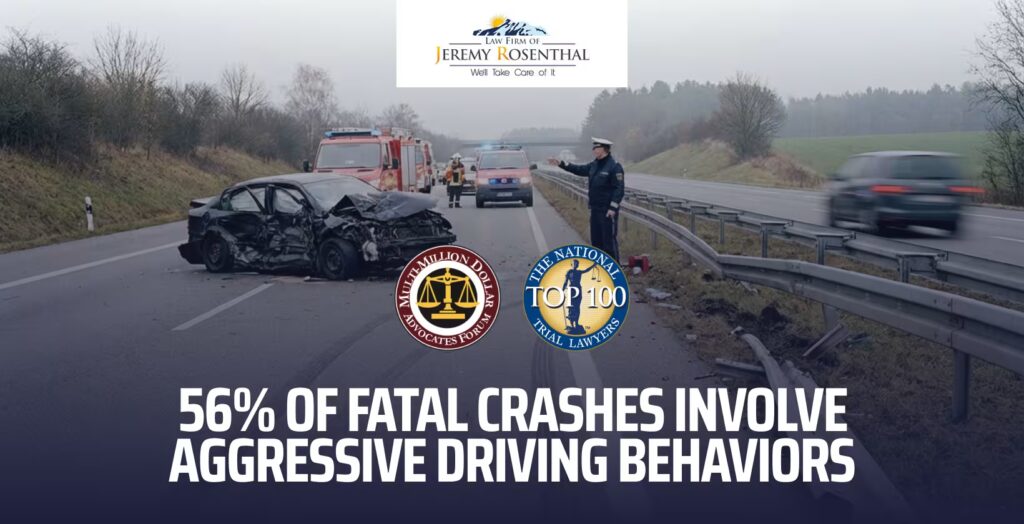
Aggressive driving behaviors cause serious vehicle accidents when motorists tailgate, weave between lanes, or accelerate rapidly to intimidate other drivers, creating unpredictable traffic patterns that force defensive maneuvers. The National Highway Traffic Safety Administration estimates that aggressive driving contributes to 56 percent of fatal crashes nationally, with Colorado Revised Statutes § 42-4-1401 defining careless driving and establishing negligence when reckless maneuvers cause collisions. Drivers who engage in road rage, excessive speeding, or unsafe lane changes demonstrate willful disregard for other motorists’ safety, making them liable for injuries that result from their intentional misconduct behind the wheel. Evidence that can strengthen your case includes dashboard camera footage showing driving patterns, witness statements describing aggressive maneuvers, police reports documenting driver behavior, vehicle data recorders revealing rapid acceleration, social media posts suggesting temperament, and traffic citations for previous violations.
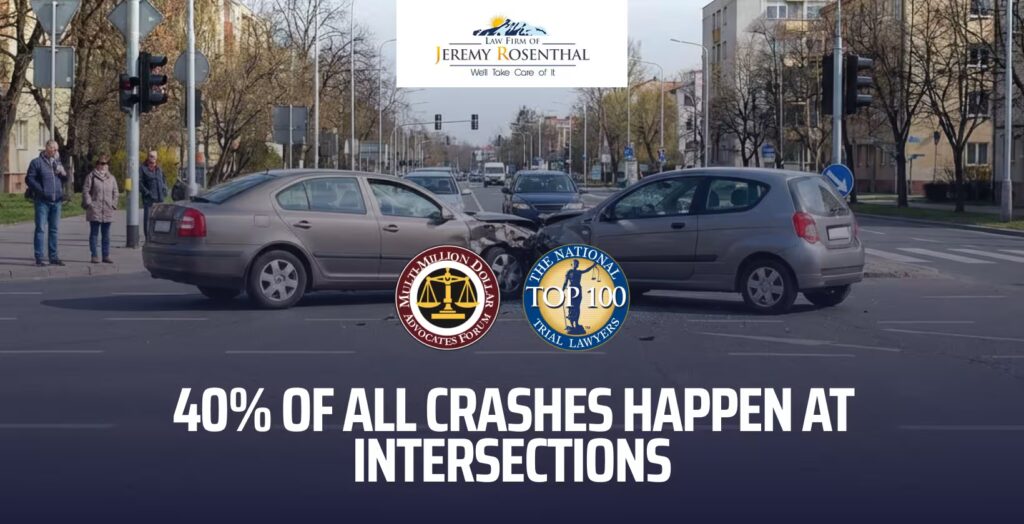
Intersection collisions account for substantial vehicle accident injuries when drivers misjudge gaps in traffic, turning left across oncoming lanes without sufficient clearance or pulling forward from stop signs without properly checking for approaching vehicles. The Federal Highway Administration reports that intersection crashes represent 40 percent of all reported collisions nationally, with Colorado Revised Statutes § 42-4-703 requiring drivers to yield right-of-way and establishing negligence when failure to yield causes crashes. Drivers who violate right-of-way rules at intersections create liability because traffic laws clearly define priority between vehicles, making the violating driver responsible for injuries and property damage that occur when they proceed without ensuring safe passage. Evidence that can strengthen your case includes intersection camera footage showing vehicle movements, traffic signal timing records, witness statements from pedestrians or other drivers, accident reconstruction determining speeds and positions, photographs documenting sight obstructions, and vehicle damage patterns indicating impact angles.
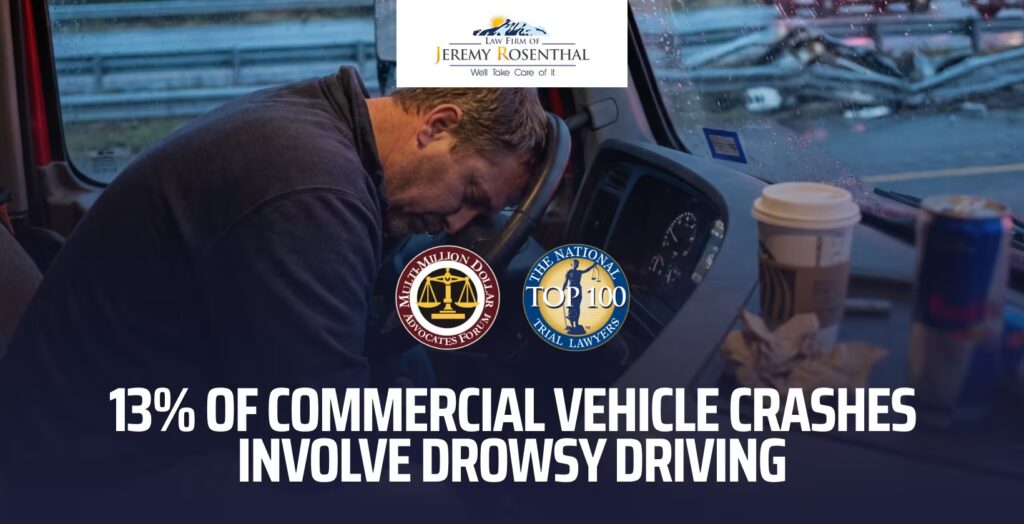
Driver fatigue transforms ordinary commuters into dangerous operators, creating reaction delays that mirror intoxication levels and causing vehicles to drift across lanes or fail to brake before collisions occur. Federal Motor Carrier Safety Administration (FMCSA) data indicates that drowsy driving contributes to approximately 13% of commercial vehicle crashes nationwide, while Colorado Revised Statutes § 42-4-1401 establishes that drivers must operate vehicles with due care and operate vehicles in a careful and prudent manner when fatigue impairs their ability to do so safely. Personal injury lawyers build negligence claims by demonstrating that a fatigued driver breached their duty of care when they chose to operate a vehicle despite knowing they were too tired to drive safely. Evidence that can strengthen your case includes driver logbooks showing insufficient rest periods, employment records indicating excessive work hours, cell phone data revealing late-night activity before the crash, witness statements describing erratic driving behavior, and toxicology reports excluding other impairment factors.
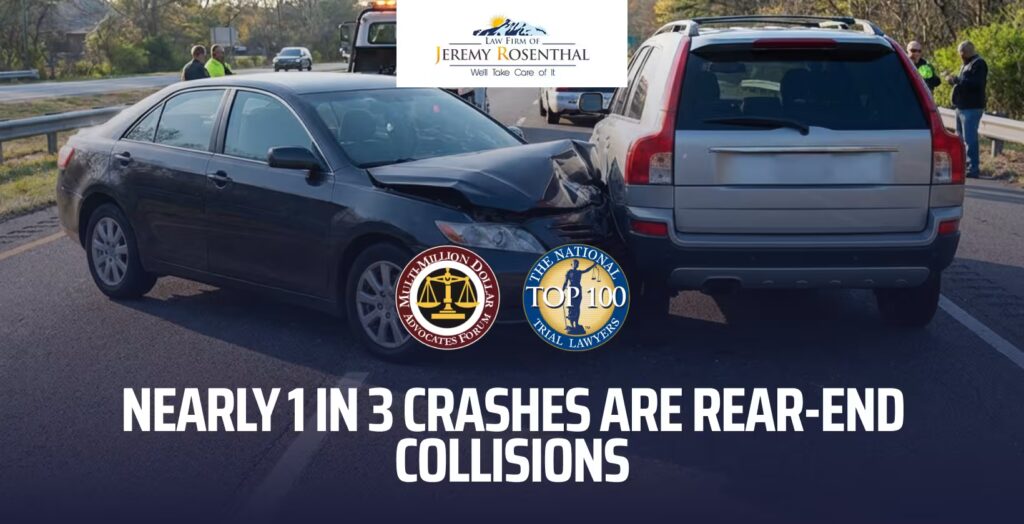
Tailgating occurs when drivers follow too closely behind other vehicles, eliminating the space needed to stop safely and causing rear-end collisions that account for nearly one-third of all crashes in Denver County according to Colorado Department of Transportation statistics. Colorado Revised Statutes § 42-4-1008 requires drivers to maintain a reasonable and prudent distance behind other vehicles based on speed, traffic conditions, and weather, establishing a clear legal standard that Denver courts apply when determining fault in rear-end collision cases. Drivers who tailgate violate this statute and create presumptive liability because the following vehicle typically bears responsibility for maintaining safe following distance regardless of the lead vehicle’s actions. Evidence that can strengthen your case includes dashboard camera footage showing the following distance, accident reconstruction analysis calculating stopping distances, traffic camera recordings documenting the collision sequence, witness testimony describing aggressive driving behavior, and vehicle damage patterns indicating high-speed rear impact.
Road rage incidents escalate ordinary traffic frustrations into aggressive confrontations, causing drivers to make dangerous maneuvers like brake-checking, swerving into other lanes, or forcing vehicles off roadways in fits of anger. The National Highway Traffic Safety Administration (NHTSA) reports that aggressive driving contributes to approximately 66% of traffic fatalities nationally, while Colorado Revised Statutes § 42-4-1402 prohibits careless driving and § 18-9-111 addresses harassment that can apply when road rage creates dangerous conditions or causes crashes. Prosecutors may pursue both criminal charges and civil liability against aggressive drivers because road rage demonstrates willful disregard for others’ safety rather than mere negligence, potentially exposing them to punitive damages beyond compensatory awards. Evidence that can strengthen your case includes video recordings capturing aggressive maneuvers, police reports documenting threatening behavior, witness statements describing the escalation sequence, social media posts revealing the driver’s temperament, cellular records showing distracted or agitated communication, and prior traffic violations indicating a pattern of aggressive conduct.
Rear-end collisions occur when one vehicle strikes another vehicle from behind, typically at intersections, in stop-and-go traffic on I-25, or during sudden braking situations on I-70 through downtown Denver. A skilled rear-end collision accidents lawyer establishes liability through traffic camera footage, police reports, vehicle damage analysis, witness statements, and medical records documenting soft tissue injuries, whiplash, herniated discs, and traumatic brain injuries that result from the sudden impact. Colorado Revised Statutes § 42-4-1008 requires drivers to maintain assured clear distance, creating a presumption of fault against the following driver in most rear-end crashes. Denver County experiences approximately 8,500 rear-end collisions annually according to Colorado Department of Transportation data, making these crashes the most common collision type on metropolitan roadways. Denver auto wreck lawyers gather black box data, cell phone records, traffic signal timing reports, medical imaging results, employment records showing lost wages, and expert testimony to prove the full extent of physical and economic damages when rear drivers fail to maintain safe following distances.
Common Causes:
Hit-and-run cases involve vehicle operators who flee accident scenes without providing identification, insurance information, or assistance to injured parties as required by law. An experienced hit-and-run accidents attorney pursues compensation through uninsured motorist coverage, surveillance footage from nearby businesses, witness testimony, traffic camera recordings, and paint transfer analysis when the at-fault driver cannot be located or identified immediately after the crash. Victims suffer broken bones, internal injuries, spinal cord damage, and psychological trauma from both the collision and the abandonment by the responsible party. Colorado Revised Statutes § 42-4-1601 mandates that drivers remain at accident scenes, with violations constituting criminal offenses that support civil claims when perpetrators are eventually identified. Denver County reports 2,847 hit-and-run crashes annually based on Denver Police Department statistics, with approximately 35% of these cases remaining unsolved after initial investigations. Personal injury attorneys work with accident reconstruction specialists, review nearby security camera networks, coordinate with law enforcement agencies, examine vehicle repair records in the region, and pursue insurance claims under uninsured/underinsured motorist provisions to secure recovery when drivers flee the scene.
Common Causes:
Drunk driving accidents result from vehicle operators who drive with blood alcohol concentration (BAC) levels at or above 0.08%, causing impaired judgment, delayed reaction times, and reduced motor control that leads to devastating collisions on roadways. A skilled drunk driving accident lawyer proves negligence through police reports documenting field sobriety tests, breathalyzer results, blood test analysis, witness observations of erratic driving, and bar receipts showing alcohol consumption patterns before the crash. Injured parties sustain catastrophic injuries, including traumatic brain injuries, spinal cord damage, multiple fractures, and organ damage when impaired drivers cross center lines, run red lights, or collide with vehicles at excessive speeds. Colorado Revised Statutes § 42-4-1301 establishes driving under the influence (DUI) as a traffic offense with enhanced civil liability, allowing injured parties to pursue punitive damages beyond economic and non-economic compensation. Denver County experiences 1,923 alcohol-related crashes annually, according to Colorado Department of Transportation data, with I-25 and I-70 corridors seeing elevated incident rates during evening and weekend hours. Denver personal injury lawyers obtain toxicology reports, surveillance footage from establishments that served the impaired driver, criminal court records, accident reconstruction analysis, cell phone location data, and medical documentation to establish the full scope of damages caused by intoxicated vehicle operators.
Common Causes:
Riding accidents encompass collisions where vehicle operators suffer injuries from various riding-related incidents on roads and highways throughout the metropolitan area. A skilled Denver attorney establishes fault through police accident reports, medical records documenting road rash, broken bones, internal injuries, and traumatic brain damage, traffic camera footage, witness statements, and vehicle damage analysis that demonstrates how the car collision occurred. These crashes happen when other drivers fail to check blind spots before changing lanes, open vehicle doors without looking, make left turns across traffic paths, or drive distracted on busy corridors including I-225 and Speer Boulevard through central Denver. Colorado Revised Statutes § 42-4-1412 requires drivers to exercise due care when sharing roadways with all vehicle types, creating liability when motorists violate this duty. Denver County records significant vehicle-involved crashes annually, with many resulting in severe injuries because of the exposed nature of certain vehicle operations. Lawyers compile helmet or vehicle inspection records, employment documentation showing wage loss, expert testimony on permanent disability, insurance correspondence, photographic evidence of injuries and property damage, and accident reconstruction reports to prove the full damages when negligent drivers cause riding accidents through careless or reckless behavior.
Common Causes:
Roundabout accidents occur at circular intersections when vehicle operators fail to yield properly, enter at excessive speeds, or misjudge gaps in circulating traffic flow. An experienced roundabout accidents attorney proves liability through traffic camera recordings, witness testimony from other drivers, police reports documenting right-of-way violations, vehicle damage patterns showing points of impact, and medical records for injuries including whiplash, shoulder injuries, head trauma, and leg fractures that result from side-impact and angular collisions. Denver has installed numerous roundabouts at intersections throughout residential neighborhoods and commercial districts to improve traffic flow, but unfamiliar drivers create hazards when they stop inside the circle, travel in wrong directions, or fail to signal lane changes. Colorado Revised Statutes § 42-4-703 establishes yield requirements for vehicles entering roundabouts, with violations creating presumptions of negligence in subsequent civil claims. These circular intersections see crashes frequently in Denver County as drivers accustomed to traditional signal-controlled intersections struggle with yielding protocols and lane discipline within the roundabout structure. Lawyers gather engineering studies of roundabout design, traffic volume data, dash camera footage, medical imaging results, employment records documenting missed work, pharmaceutical receipts for pain management, and accident reconstruction analysis to establish how violations or excessive entry speeds caused the collision and resulting injuries.
Common Causes:
Rideshare and taxi accidents occur when Uber, Lyft, or traditional taxi vehicles collide with other vehicles on Denver’s busy corridors along I-25 and I-70, creating complex liability questions involving multiple insurance policies. A skilled rideshare accidents lawyer establishes liability through driver app status records, company insurance coverage documents, and comparative negligence analysis under Colorado Revised Statutes § 42-4-1402 governing commercial vehicle operation standards. Victims suffer whiplash injuries, spinal cord damage, traumatic brain injuries, and broken bones requiring immediate medical intervention and long-term rehabilitation. Denver County experiences approximately 3,200 rideshare-involved crashes annually according to Colorado Department of Transportation collision data, with evidence collected through driver app timestamps, passenger booking records, police accident reports, traffic camera footage, vehicle damage assessments, witness statements, and medical treatment documentation.
Common Causes:
Side impact collisions happen when vehicles strike other vehicles perpendicular to their direction of travel at intersections throughout Denver County, causing severe injuries to occupants on the impacted side who lack protective crumple zones. An experienced side impact collision attorney proves negligence through intersection camera footage, traffic signal timing records, and vehicle crash analysis demonstrating the at-fault driver violated Colorado Revised Statutes § 42-4-703 requiring drivers to yield right-of-way appropriately. Injured parties sustain rib fractures, internal organ damage, pelvic fractures, and neck injuries requiring surgical intervention and months of physical therapy. These crashes occur frequently at Denver’s busiest intersections along Colfax Avenue and Broadway where vehicles fail to yield, with evidence documented through police crash reports, intersection video recordings, vehicle black box data, medical records, expert accident reconstruction analysis, witness testimony, and traffic signal maintenance logs.
Common Causes:
Head-on collisions result when vehicles traveling in opposite directions strike each other front-to-front, typically occurring on rural Colorado highways and undivided Denver County roadways where drivers cross center lines or enter wrong-way lanes. A skilled head-on collisions lawyer builds cases through accident scene measurements, skid mark analysis, and toxicology reports proving the at-fault driver violated Colorado Revised Statutes § 42-4-1001 prohibiting driving left of center under unsafe conditions. Victims experience catastrophic injuries including traumatic brain damage, spinal cord compression, multiple bone fractures, and severe facial trauma requiring emergency surgical care and extensive rehabilitation services. Denver County roadways experience these severe crashes when drivers lose control or make improper passing attempts, with evidence gathered through police investigation reports, witness statements, vehicle data recorder information, medical treatment records, accident reconstruction expert analysis, roadway condition assessments, and driver history documentation.
Common Causes:
Parked vehicle accidents occur when moving vehicles strike lawfully parked vehicles along streets, in parking lots, or at curbside locations, causing property damage and potential injuries to occupants entering or exiting the parked vehicles. A car accident attorney establishes fault through parking location photographs, damage pattern analysis, and witness testimony proving the moving driver violated Colorado Revised Statutes § 42-4-1207, requiring reasonable care when passing parked vehicles. Occupants suffer door-strike injuries, leg fractures, shoulder damage, and back trauma when caught between vehicle doors and moving traffic. Denver experiences these incidents regularly in congested downtown parking areas and residential neighborhoods where visibility becomes limited, with evidence collected through police reports, parking lot surveillance footage, vehicle damage photographs, witness statements, medical records, repair estimates, and parking permit documentation.
Common Causes:
T-bone accidents happen when vehicles strike other vehicles at perpendicular angles forming a “T” shape, most commonly at controlled and uncontrolled intersections where right-of-way rules become disputed or ignored by negligent drivers. An attorney proves liability through intersection approach analysis, signal timing verification, and impact point documentation demonstrating the at-fault driver violated Colorado Revised Statutes § 42-4-702 requiring drivers to obey traffic control devices and yield appropriately. Injured victims sustain chest wall injuries, abdominal trauma, hip fractures, and head injuries requiring immediate emergency care and subsequent surgical treatment. Denver County intersections along major corridors including Speer Boulevard and Federal Boulevard experience these collisions when drivers misjudge gap timing or ignore traffic signals, with evidence gathered through intersection camera recordings, police crash investigations, witness testimony, vehicle damage assessments, medical treatment documentation, traffic engineering reports, and expert accident reconstruction analysis.
Common Causes:
A car accident attorney provides legal services including investigation of crash circumstances, collection of police reports and medical records, negotiation with insurance adjusters, calculation of economic and non-economic damages, retention of accident reconstruction professionals, filing of personal injury lawsuits within Colorado’s three-year statute of limitations, and representation at trial proceedings in Denver to pursue full compensation for injuries, lost wages, and property damage.
Car accident attorneys handle multiple responsibilities throughout the claims process in Denver, from initial investigation through final settlement or trial verdict.
Attorneys gather multiple evidence categories to establish liability, prove injury severity, and demonstrate financial damages throughout the car accident claims process in Denver.
Officers document scene conditions, vehicle positions, traffic violations, and preliminary fault determinations that create official records of collision circumstances accepted by courts and insurance companies.
Hospital records, diagnostic imaging results, physician notes, rehabilitation reports, and prescription histories connect injuries directly to the collision and quantify treatment costs for damage calculations.
Scene photographs capture vehicle damage, skid marks, traffic signals, road conditions, weather factors, and visible injuries while surveillance footage from nearby businesses or traffic cameras shows collision dynamics.
Third-party accounts from bystanders, passengers, or nearby drivers corroborate your version of events and provide independent perspectives that strengthen credibility during negotiations.
Pay stubs, tax returns, employer letters, medical bills, repair estimates, rental car receipts, and household service invoices prove financial losses resulting from the collision.
Engineers examine physical evidence, vehicle damage patterns, roadway geometry, and collision forces to recreate the accident sequence and establish fault through scientific methods.
Driving records, prior violations, insurance policy details, and employment history reveal patterns of negligent behavior or insurance coverage limits that affect settlement strategies.
Independent medical examinations, specialist consultations, and vocational assessments document long-term injury impacts, future treatment needs, and diminished earning capacity that justify higher compensation demands.
Attorneys handle commercial vehicle cases differently than standard passenger car accidents because commercial collisions often involve multiple liable parties, complex insurance structures, and stricter federal regulations. Commercial vehicle crashes typically produce more severe injuries due to size disparities between semi-trucks, delivery vans, or buses and passenger vehicles, requiring attorneys to investigate maintenance records, driver logs, and company safety policies. Lawyers examine Federal Motor Carrier Safety Administration (FMCSA) compliance records to identify violations such as hours-of-service breaches, inadequate driver training, or improper cargo loading that contributed to the collision. Colorado commercial vehicle accidents created 7,482 crashes involving large trucks in 2022 according to Colorado Department of Transportation data, with Denver County experiencing a significant portion of these incidents. Attorneys pursue claims against trucking companies, vehicle owners, maintenance contractors, and cargo loaders rather than just individual drivers, expanding the pool of liable parties and available insurance coverage for your recovery.
Attorneys consult medical professionals to establish causation between collision forces and documented injuries through scientifically credible testimony that withstands insurance company challenges. Medical professionals translate complex diagnostic findings, treatment protocols, and prognosis assessments into language that clarifies injury severity for insurance adjusters and juries who lack clinical training. Physicians specializing in orthopedics, neurology, or rehabilitation medicine review imaging studies, surgical reports, and treatment records to confirm that documented injuries resulted directly from the collision rather than pre-existing conditions or unrelated health issues. These consultations prove particularly valuable when insurers dispute injury causation, claiming that herniated discs, traumatic brain injuries, or soft tissue damage existed before the accident or developed from intervening causes. Medical professionals also project future care needs, calculating anticipated costs for ongoing physical therapy, pain management, surgical revisions, or permanent disability accommodations that form the basis for comprehensive settlement demands reflecting long-term financial impact.
Building a legal case after a collision begins with gathering evidence immediately following the crash to establish liability and document damages. Attorneys collect police reports filed by Denver Police Department officers that contain scene diagrams, witness statements, and preliminary fault assessments that create official accident records. Medical documentation proves injury severity and causation by connecting diagnosed conditions directly to collision impact, including emergency room records, diagnostic imaging results, surgical reports, and ongoing treatment plans. Photographic evidence captures vehicle damage positioning, skid marks, traffic signal configurations, road conditions, and visible injuries that demonstrate collision force and injury mechanisms. Witness testimony corroborates your account of events when independent observers provide statements about driver behavior, traffic violations, or environmental factors that contributed to the crash.
Attorneys submit compensation claims after collecting sufficient medical documentation and evidence establishing liability and damages from the collision. The submission timeline depends on treatment completion, as lawyers avoid filing before understanding the full scope of injuries, which requires reaching maximum medical improvement or stabilizing your condition to accurately calculate future care needs. Colorado’s three-year statute of limitations provides time to build comprehensive claims, though attorneys initiate the process once critical evidence like accident reports, medical records, witness statements, and damage assessments becomes available. Lawyers often send initial demand letters within 60-90 days of completing initial treatment if injuries appear straightforward, but complex cases involving surgery, permanent disability, or disputed liability require extended investigation before filing. Insurance companies typically receive formal claims after attorneys quantify economic damages such as lost wages, medical expenses, and property damage alongside non-economic losses including pain and suffering. Your legal team balances urgency against thoroughness, submitting claims when documentation supports your full compensation potential rather than rushing incomplete demands that undervalue your case.
Car accident attorneys facilitate settlements by negotiating directly with insurance companies to secure compensation without requiring trial proceedings. Attorneys gather collision evidence including police reports, medical records, witness statements, and accident reconstruction data to establish liability and quantify damages. This documentation supports demand letters that outline specific compensation amounts covering medical expenses, lost wages, property damage, and pain and suffering based on Colorado tort law standards. Insurance adjusters frequently offer initial settlements below actual claim value, so attorneys counter with detailed evidence packages demonstrating the full extent of injuries and financial losses. Negotiation continues through multiple rounds until parties reach acceptable terms, or attorneys recommend filing a lawsuit when insurers refuse reasonable settlement amounts. Our attorneys understand Colorado’s modified comparative negligence rule (C.R.S. § 13-21-111), which bars recovery when victims bear more than 50 percent fault, making precise liability determination critical during settlement discussions.
Car accident attorneys specialize in personal injury law, focusing specifically on tort claims arising from motor vehicle collisions that cause physical harm, property damage, or wrongful death. This legal practice area encompasses negligence-based liability cases where one driver’s careless or reckless behavior causes injuries to another person, requiring attorneys to establish duty of care, breach of duty, causation, and damages through evidence collection and legal argument. Colorado follows modified comparative negligence rules under Colorado Revised Statutes § 13-21-111, allowing injured parties to recover compensation if they bear less than 50 percent fault for the accident, which attorneys must calculate when negotiating settlements or presenting cases at trial. Personal injury attorneys handling car accident cases manage multiple claim types including rear-end collisions, intersection crashes, drunk driving accidents, distracted driving incidents, and hit-and-run cases, each requiring different proof standards and damage calculations. Attorneys in this practice area also handle insurance disputes when carriers deny valid claims, delay payments, or offer inadequate settlements that fail to cover medical expenses, lost wages, and pain and suffering damages documented through hospital records, employment verification, and expert testimony.
Attorneys represent the injured victim pursuing compensation from the at-fault driver, insurance companies, and other liable parties responsible for causing the collision and resulting damages. Your legal team acts as your advocate throughout settlement negotiations, insurance claim processes, and potential litigation to protect your rights against insurers who minimize payouts or deny legitimate claims. Attorneys handle all communication with insurance adjusters, gather evidence establishing fault and injury severity, calculate total economic and non-economic damages, and negotiate settlement offers that reflect the true cost of your losses. Legal representation becomes particularly valuable when dealing with severe injuries requiring extensive medical treatment, disputes over liability determination, or insurance companies refusing fair compensation offers.
Car accident case resolution timelines typically range from three months to two years depending on injury severity, liability disputes, and settlement negotiations. Minor injury claims with clear liability often settle within three to six months once medical treatment concludes and attorneys compile documentation including police reports, medical records, and property damage estimates. More serious cases involving catastrophic injuries, multiple parties, or disputed fault require extended investigation periods, expert testimony preparation, and complex negotiations that push resolution to 12 to 18 months. Cases proceeding to trial extend timelines further because court dockets in Denver County District Court experience scheduling delays, requiring additional months for discovery, motion practice, and trial preparation before reaching a courtroom hearing date. Settlement negotiations accelerate resolution timelines if insurance carriers acknowledge liability and present reasonable offers, while litigation becomes necessary when insurers deny valid claims or undervalue injury damages forcing attorneys to file lawsuits and pursue courtroom verdicts.
When Does a Car Accident Attorney File a Lawsuit?
Attorneys file lawsuits when insurance companies refuse to offer fair settlement amounts or deny valid claims requiring court intervention to recover proper compensation. Settlement negotiations typically precede litigation because resolving cases outside court saves time and reduces legal expenses, but insurers sometimes reject reasonable demands or dispute liability despite clear evidence. Attorneys file lawsuits when negotiations reach impasse, usually after exhausting multiple settlement demands, mediation attempts, or structured negotiation sessions that produce inadequate offers. Colorado’s statute of limitations provides three years from the accident date to file personal injury lawsuits, creating a deadline pressure that influences filing decisions if settlement discussions stall near the expiration date. Attorneys also file suits when defendants dispute fault, when multiple liable parties complicate claim resolution, or when injuries prove more severe than initially assessed, requiring updated damage calculations that insurers refuse to acknowledge.
Attorneys negotiate with insurance companies by presenting documented evidence that establishes liability and quantifies damages, then countering lowball settlement offers with specific calculations based on medical costs, lost wages, and pain and suffering values. Insurance adjusters initially offer minimal settlements hoping claimants accept quick payouts before understanding their claim’s full value, so attorneys respond with detailed demand packages containing police reports, medical records, wage statements, and expert opinions that justify higher compensation amounts. The negotiation process involves multiple rounds of offers and counteroffers as attorneys use their knowledge of similar case verdicts, policy limit information, and trial preparation leverage to pressure adjusters toward fair settlements. Attorneys strengthen their negotiating position by identifying policy coverage gaps, documenting bad faith insurance practices, and demonstrating willingness to file lawsuits if companies refuse reasonable settlements. Colorado’s modified comparative negligence rule allows recovery when plaintiffs bear less than 50 percent fault, giving attorneys additional negotiating angles when liability disputes arise between parties. Skilled negotiators secure full compensation covering all economic losses and non-economic damages without requiring lengthy court battles, though they remain prepared to litigate when insurers refuse adequate settlements.
How Does Insurance Law Affect Car Accident Claims?
Insurance law creates the framework governing how car accident victims pursue compensation through mandatory coverage systems and claims procedures established by Colorado statutes. Colorado operates under a fault-based insurance system requiring drivers to carry minimum liability coverage of $25,000 per person for bodily injury, $50,000 per accident for total bodily injuries, and $15,000 for property damage according to Colorado Revised Statutes § 10-4-620. These minimums often prove insufficient when serious injuries occur, leaving victims to pursue additional recovery through underinsured motorist coverage or direct lawsuits against at-fault drivers who carry inadequate policies. Colorado’s comparative negligence rule under C.R.S. § 13-21-111 allows victims to recover damages if they bear less than 50% fault for the collision, though compensation reduces proportionally based on assigned fault percentages. Accident victims face strict deadlines under Colorado’s three-year statute of limitations for personal injury claims and two-year limit for wrongful death actions, making timely filing critical to preserve legal rights.
Attorneys employ several proven tactics when negotiating with insurance companies to secure fair settlements for injured clients. Lawyers document all damages thoroughly before entering negotiations, compiling medical records, wage loss statements, property damage estimates, and pain and suffering calculations to establish the claim’s full value. Attorneys send comprehensive demand letters that outline liability evidence, injury severity, treatment costs, and long-term prognosis to demonstrate case strength early in discussions. Legal professionals counter lowball offers by presenting medical testimony, accident reconstruction reports, and comparable verdict data that justify higher settlement amounts based on similar Denver County cases. Lawyers leverage the threat of litigation strategically, filing court actions when insurers refuse reasonable offers because companies face higher defense costs and unpredictable jury verdicts if cases proceed to trial. Attorneys maintain communication discipline throughout negotiations, refusing to accept initial offers and documenting every conversation to create records of bad faith tactics if insurers delay payments or deny valid claims. Legal teams calculate policy limits accurately to determine whether multiple coverage sources apply, including underinsured motorist protection, commercial liability policies, or premises liability coverage that increases available compensation. Skilled negotiators identify leverage points such as clear liability evidence, permanent injuries, or sympathetic client circumstances that make cases risky for insurers to take before Denver juries.
Attorneys decide to initiate litigation when settlement negotiations fail to produce fair compensation offers that adequately cover medical expenses, lost wages, and pain and suffering damages. Insurance adjusters often begin negotiations with lowball settlement offers hoping injured claimants accept reduced amounts before understanding their claim’s full value. Attorneys evaluate whether the insurer’s highest offer reflects the true cost of injuries, future medical needs, permanent impairments, and lost earning capacity before recommending litigation. Bad faith insurance practices trigger litigation decisions when adjusters deny valid claims without reasonable investigation, delay processing without justification, or refuse to negotiate in good faith. Disputed liability cases require litigation when the at-fault driver’s insurer contests responsibility despite clear evidence of negligence, necessitating court intervention to establish fault through witness testimony and expert analysis. Statute of limitations pressures force litigation decisions when insurers stall negotiations.

Attorneys initiate the claim filing process by gathering documentation, notifying relevant insurance carriers, and drafting demand packages that establish liability and quantify damages. The process begins with collecting police reports from the Denver Police Department, medical records from treating facilities like Denver Health Medical Center or UCHealth, and photographs of vehicle damage and collision scenes. Attorneys then send notification letters to at-fault drivers’ insurance companies, initiating claims with providers like State Farm, GEICO, or Progressive, while simultaneously opening underinsured motorist claims with clients’ own carriers if coverage gaps exist. The formal demand package includes medical bills totaling treatment costs, wage loss documentation showing employment impacts, and narrative statements connecting injuries directly to the collision through causation evidence. Attorneys file claims within Colorado’s three-year statute of limitations under C.R.S. § 13-80-101, though immediate filing accelerates settlement negotiations and preserves witness memories before evidence deteriorates.
Car accident lawsuits allow claimants to pursue compensation for economic damages, non-economic damages, and punitive damages under Colorado law. Economic damages include medical expenses covering emergency treatment, surgery, hospitalization, physical therapy, prescription medications, and future care costs projected through medical evaluations. Lost wages encompass income missed during recovery, reduced earning capacity from permanent disabilities, and lost business opportunities documented through employer statements and tax records. Property damage covers vehicle repair costs, replacement value if totaled, rental car expenses during repairs, and damaged personal items such as electronics or clothing. Non-economic damages compensate for pain and suffering from physical discomfort, emotional distress including anxiety and depression, loss of enjoyment of life when injuries prevent participation in hobbies or activities, and disfigurement or scarring that affects appearance and self-esteem.
Colorado caps punitive damages at an amount equal to compensatory damages, though courts can increase this up to three times compensatory damages in cases involving fraud, malice, or willful and wanton conduct.
To find a reliable Denver car wreck attorney near you, visit one of the regions listed below.
Denver proper, Capitol Hill, Highland, Cherry Creek, Five Points, Washington Park, University Hills, and Montbello neighborhoods along Interstate 25, Interstate 70, Colfax Avenue, and Federal Boulevard.
Aurora, Thornton, Westminster, Northglenn, Commerce City, Brighton.
Aurora, Centennial, Littleton, Englewood, Greenwood Village.
Lakewood, Arvada, Golden, Wheat Ridge.
Castle Rock, Parker, Highlands Ranch, Lone Tree.
Finding a qualified car accident attorney requires evaluating multiple search methods to identify lawyers with relevant experience handling Denver injury claims.
State Bar Association Referrals: The Colorado Bar Association maintains referral services connecting accident victims with pre-screened attorneys who meet specific practice requirements and maintain active licenses in good standing.
Online Legal Directories: Platforms like Avvo, Martindale-Hubbell, and FindLaw provide attorney profiles displaying years of experience, client reviews, peer ratings, and case results for comparison across multiple practitioners.
Personal Recommendations:Friends, family members, or colleagues who previously hired injury attorneys offer trusted firsthand accounts of attorney communication quality, case outcomes, and client service responsiveness.
Internet Search Results: Google searches reveal attorney websites, published case results, community involvement, and client testimonials while allowing geographic filtering for Denver-based practitioners.
Professional Network Referrals: Other attorneys, including those practicing different specialties, provide informed recommendations based on professional reputation and observed courtroom performance.
Client Review Platforms: Google Reviews, Yelp, and legal-specific review sites display recent client feedback indicating attorney responsiveness, settlement success rates, and overall satisfaction levels.
The most effective approach combines multiple methods: begin with personal recommendations from trusted sources, verify credentials through Colorado Bar Association records, confirm reputation through independent review platforms, and schedule consultations with 2-3 attorneys before making your final selection based on experience, communication style, and fee structure clarity.
Rosenthal Injury Law car accident attorneys serve clients throughout Denver County and surrounding metropolitan areas with comprehensive injury representation.
Denver County Communities: The firm represents accident victims in Capitol Hill, Five Points, Highland, LoDo, Cherry Creek, Washington Park, Stapleton, and downtown Denver along major corridors including Interstate 25, Interstate 70, Speer Boulevard, and Colfax Avenue.
Neighboring Counties: Attorneys serve clients in Adams County (Thornton, Westminster, Northglenn, Commerce City), Arapahoe County (Aurora, Littleton, Centennial, Greenwood Village), Jefferson County (Lakewood, Arvada, Golden, Wheat Ridge), and Douglas County (Castle Rock, Parker, Highlands Ranch, Lone Tree).
Statewide Representation: The firm handles cases for Colorado residents injured anywhere in the state, including mountain communities, ski resort areas, Western Slope cities, and Eastern Plains towns where Denver residents frequently travel for recreation or business.
Urban and Suburban Coverage: Attorneys represent clients injured on urban Denver streets, suburban shopping districts, highway interchanges, residential neighborhoods, commercial zones, and rural mountain roads throughout the service area comprising more than 3 million residents across the Denver metropolitan region.
Bringing complete documentation to your initial consultation helps attorneys evaluate your case strength and provide accurate legal guidance for your injury claim.
Accident Scene Documentation: Photographs of vehicle damage, skid marks, traffic signals, weather conditions, road hazards, and visible injuries create visual evidence supporting your account of how the collision occurred.
Police Accident Report: The official crash report contains officer observations, witness statements, preliminary fault determinations, and citation information that establishes the foundational facts surrounding your accident.
Medical Records and Bills: Hospital discharge summaries, diagnostic test results, treatment plans, prescription records, and itemized medical bills document injury severity and connect your medical treatment directly to the collision.
Insurance Information: Your auto insurance policy, the other driver’s insurance details, correspondence from insurance adjusters, and any recorded statements you provided help attorneys understand coverage limits and potential claim complications.
Employment and Income Documentation: Pay stubs, tax returns, employment verification letters, and documentation of missed workdays establish lost wage calculations and demonstrate the accident’s economic impact on your household.
Contact Information: Names, phone numbers, and addresses for all drivers, passengers, witnesses, and medical providers ensure attorneys can follow up with relevant parties during the investigation process.
Written Timeline: A detailed chronological account of the accident, your injuries, medical appointments, and insurance communications preserves your memory of events before details fade with time.
Legal services provided by car accident attorneys encompass comprehensive representation from initial investigation through final settlement or trial verdict.
Case Investigation and Evidence Collection: Attorneys obtain police reports, interview witnesses, secure surveillance footage, photograph accident scenes, review medical records, and consult accident reconstruction specialists to build strong factual support for your claim.
Medical Treatment Coordination: Lawyers connect you with appropriate medical providers, ensure documentation properly reflects injury severity, arrange treatment even when you lack immediate funds, and coordinate with healthcare professionals regarding billing arrangements until your case resolves.
Insurance Claim Management: Attorneys handle all communications with insurance adjusters, file necessary claim paperwork by required deadlines, protect you from recorded statements that could damage your case, and respond to insurer requests for additional documentation.
Damage Calculation and Valuation: Lawyers quantify economic losses including medical expenses, lost wages, property damage, and future treatment costs while also assessing non-economic damages like pain, suffering, emotional distress, and diminished quality of life.
Settlement Negotiation: Attorneys present demand packages to insurance companies, counter lowball settlement offers, leverage case strengths during negotiations, and secure fair compensation resolving claims without requiring courtroom litigation when possible.
Trial Representation: Lawyers prepare cases for trial when settlement negotiations fail, file lawsuits before statute of limitations expires, conduct discovery depositions, present evidence and witness testimony in court, and advocate for fair jury verdicts.
Lien Resolution: Attorneys negotiate reductions on medical liens, health insurance subrogation claims, and government program reimbursement demands to maximize the compensation you ultimately receive from your settlement or judgment.
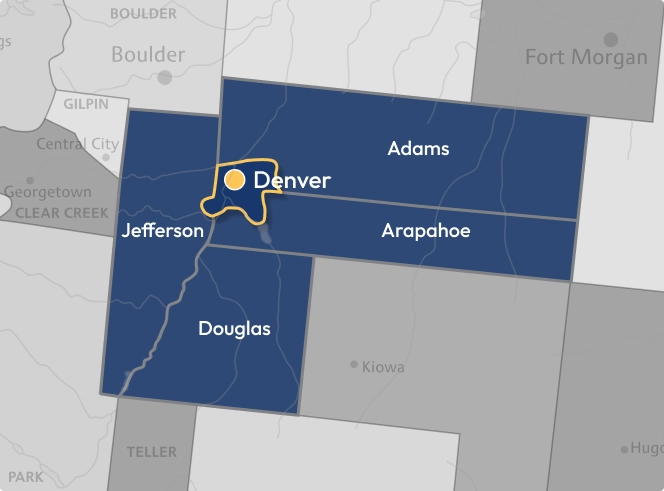
Our experienced attorneys are ready to help you recover the compensation you deserve. Whether you’ve been injured in a car accident, motorcycle crash, or any other incident, we’re here to fight for your rights. Contact our office to schedule your free consultation with a Denver car accident lawyer today.
At Rosenthal Injury Law, we fight tirelessly for personal injury victims throughout Denver and Colorado. Our commitment is simple: put you first, respond quickly, and pursue maximum compensation for your injuries. We don’t get paid unless you win.
Law Firm of Jeremy Rosenthal
600 17th Street, Suite 2803K,
Denver, CO, 80202
*By Appointment Only


